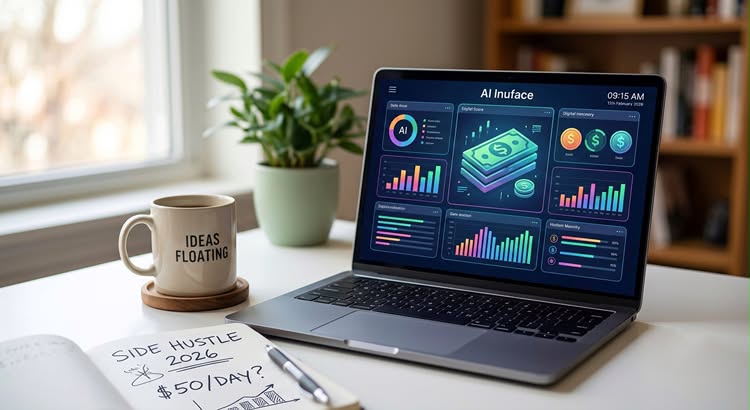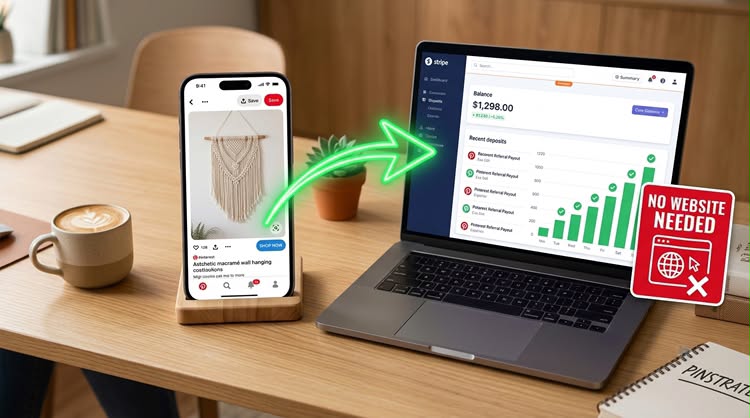
Let’s have a real, honest conversation. If you’ve been searching for ways to Earn $100/Day Online, you’re probably exhausted by all the noise. Everywhere you look, there’s a “guru” in a rented sports car telling you that you can make $10,000 by tomorrow morning if you just buy their course. I’m going to stop you right there. I manage this entire blog on my own—every word, every image, every late-night edit—so I know exactly what it feels like to start from zero and stare at a blank screen wondering how to actually turn digital skills into real revenue. There is no magic button. But there is a proven system, and there are highly profitable digital income streams that beginners can start today without spending thousands on expensive courses.
In this massive, comprehensive guide, we’re going completely fluff-free. We’ll break down the exact side hustles, digital products, freelance opportunities, and online business models that are performing exceptionally well in 2026. Whether your goal is to create a reliable side income or eventually Earn $100/Day Online consistently, you’ll learn practical strategies that focus on long-term growth instead of unrealistic promises. So grab a coffee, get comfortable, and let’s dive in.
Earn $100/Day Online
Why Most Beginners Fail at Making Money Online (And How You Will Succeed)
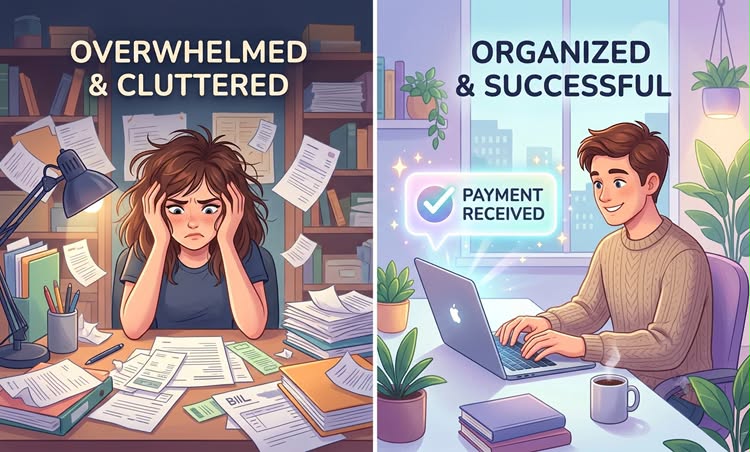
Before we get into the exact side hustles, we need to talk about why 90% of beginners quit within their first three months. The problem isn’t a lack of effort; it’s a lack of focus.
When you first start out, Shiny Object Syndrome is your biggest enemy. One day you’re trying to dropship cheap products, the next day you’re trying to trade crypto, and by the weekend, you’re trying to become an influencer. This scattered approach guarantees zero results.
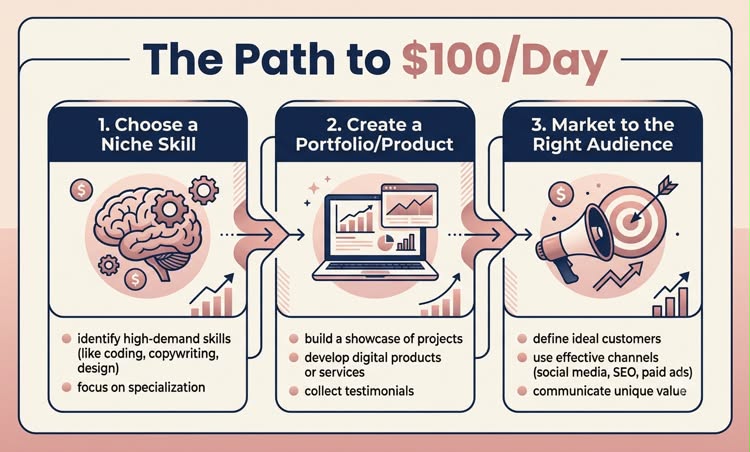
The secret to making your first $100 fast—and eventually scaling that to a full-time income—is to pick one high-value skill, build a portfolio, and focus strictly on offering that specific value to people or businesses who need it.
The Lifestyle Advantage
Building a digital revenue stream isn’t just about the money; it’s about the lifestyle advantage. When you master digital skills, you unlock:
Location Independence: Work poolside, from a cozy cafe, or your living room couch.
Global Clients: You aren’t restricted to your local economy. You can earn in dollars, pounds, or euros from anywhere in the world.
Asset Building: Creating things once (like digital products) and selling them forever.
Let’s break down the most profitable avenues you can start right now, inspired by the trending strategies we see dominating platforms like Pinterest .
Path 1: High-Value Side Hustles for Creative Freelancers
The fastest way to make money online without any upfront capital is by trading your time and skills for money as a freelancer. But we aren’t talking about doing tedious, low-paying tasks. We are talking about High-Value Side Hustles.
If you look at the current digital landscape, content creators and small businesses are overwhelmed. They have money to spend, but no time to do the work. That is where you step in. Here are some of the most in-demand freelance skills right now:
YouTube Scriptwriting
Every massive YouTuber is constantly churning out content, and the hardest part of their job is staring at a blank page. If you know how to tell a good story, create a “hook” that keeps viewers watching, and structure a video for high retention, creators will pay you handsomely. You don’t need a camera or editing skills—just a Google Doc and a deep understanding of human psychology.
Podcast Audio Editing & Production
Podcasting is exploding. Everyone from fitness coaches to real estate agents is starting a podcast. But nobody wants to sit in editing software for three hours cutting out the “ums” and “ahs.” By learning the basics of free software like Audacity or inexpensive tools like Descript, you can offer a turnkey podcast production service. You take their raw audio, clean it up, add an intro/outro, and send back a polished episode ready for Spotify.
Pinterest Management
Let me tell you a secret: Pinterest isn’t a social media platform; it’s a visual search engine. Businesses are desperate for traffic, and Pinterest is one of the best ways to get it. A Pinterest Manager designs aesthetic pins (using tools like Canva), writes SEO-optimized descriptions, and schedules content to drive massive organic traffic to a client’s website. If you love aesthetics and organization, this is a goldmine.
Pinterest is a massive visual search engine for driving organic traffic. If you want to see proof of how fast it grows, check out my step-by-step case study on How I got 1M Pinterest impressions in my first 30 days to drive instant traffic to your store.
Notion Workspace Design
Notion has become the digital brain for thousands of entrepreneurs. However, setting up a complex, automated Notion workspace is intimidating for most people. If you spend a weekend learning how to build custom Notion dashboards, project trackers, and content calendars, you can sell these setups as a high-ticket freelance service to disorganized business owners.
Etsy SEO Optimization
Thousands of talented artists open Etsy shops and hear crickets because they don’t understand Search Engine Optimization (SEO). They name their product “Cute Blue Mug” instead of “Handmade Ceramic Coffee Mug Minimalist Kitchen Decor.” If you learn how Etsy’s search algorithm works, you can charge shop owners to revamp their product titles, tags, and descriptions, directly increasing their sales.
Path 2: The E-Book Empire (Turn Your Knowledge Into Passive Income)
Freelancing is active income—you work, you get paid. But if you want to build true digital wealth, you need passive income. One of the smartest digital revenue streams is selling E-books.
You write it once, and you can sell it an infinite number of times with zero shipping or inventory costs. But what should you write about? The secret is to solve a specific problem for a specific audience. Based on the top trending “Best Ebook Topics to Sell Online,” here are incredibly profitable niches:
Profitable E-Book Niches to Explore:
Mindfulness & Meditation Guides: People are more stressed than ever. An e-book detailing a 30-day habit-building routine for confidence, stress relief, and self-improvement is a massive seller.
Startup Launch Secrets: A step-by-step guide for other beginners on how to scale a specific online business (for example, “How to Start a Faceless Instagram Page“).
Smart Investing Strategies: Personal finance basics for Gen Z and Millennials. Budgeting templates, saving strategies, and beginner investing terms explained simply.
Modern Fitness Routines: E-books focused on at-home workouts, nutrition without extreme dieting, and realistic healthy living for busy professionals.
Creative Writing Workbooks: Guides that help aspiring authors write better, self-publish on Amazon KDP, and build their author brand.
Travel Planners & Guides: Curated, highly specific travel itineraries. Instead of “Guide to Europe,” sell “The 7-Day Budget Itinerary for Backpacking the Swiss Alps.“
Gourmet Home Cooking: Meal prep guides, macro-friendly recipe books, and niche diets (like gluten-free baking or high-protein vegan meals).
How to Launch Your E-Book Today:
Drafting: Use Google Docs to write your content. Don’t worry about formatting yet. Just get the knowledge out of your head.
Designing: Head over to Canva. Search for “E-book templates.” Paste your text into a beautiful, professionally designed template. Export it as a PDF.
Selling: You don’t need a complex website. Platforms like Gumroad, Beacons, or Stan Store allow you to upload your PDF, set a price, and get a link to share with your audience in under 10 minutes.
Path 3: The Digital Products Shop (Design, Launch, Scale)
If writing a 10,000-word E-book sounds intimidating, digital products are your best friend. Digital products are downloadable assets that people use to make their own lives easier or more aesthetic.
The process here is simple: Build. Test. Refine. Explode.
What Kind of Digital Products Sell Best?
Canva Templates: Create templates for Instagram carousels, Pinterest pins, YouTube thumbnails, or media kits. Bloggers and creators will gladly pay $15 to save themselves three hours of design work.
Digital Planners (GoodNotes/Notability): The digital planning community is huge. People buy hyperlinked PDF planners to organize their lives, track their budgets, and plan their meals on their iPads.
Lightroom Presets: If you have an eye for photo editing, bundle your specific photo filters and sell them to people who want a cohesive, aesthetic Instagram grid.
Brush Packs for Procreate: Digital artists are always looking for new textures and brushes to elevate their digital paintings.
Data Analysis & Trackers (Excel/Google Sheets): If you are highly analytical, create beautiful, automated spreadsheets for wedding planning, debt payoff, or small business bookkeeping.
The beauty of a digital product shop is the Low Barrier to Entry. It costs absolutely nothing to create these items using free software. Once you have a collection of 5 to 10 solid products, you can list them on platforms like Etsy or your own customized storefront and let search engine traffic do the heavy lifting.
Path 4: Specialized Virtual Assistance & Agency Services
When you hear Virtual Assistant (VA), you might picture someone just answering emails or doing data entry for minimum wage. That is the old way. In 2026, the real money is in becoming a Specialized Virtual Assistant.
Instead of being a generalist, you niche down and offer highly specific, revenue-generating tasks for small businesses.
The Modern VA Services:
Email Newsletter Management: Writing weekly newsletters for brands, setting up automations, and ensuring their emails don’t end up in the spam folder.
Logo & Brand Design Setup: Helping new businesses establish their corporate identity. You don’t need to be a master illustrator; utilizing AI tools and clean typography can create stunning, minimalist brand kits that clients love.
YouTube Shorts / TikTok Agency: The demand for short-form video is insatiable. You can offer a service where you take a client’s long-form YouTube video, chop it up into 5 engaging shorts, add captions, and schedule them out.
By positioning yourself as a specialist rather than a general assistant, you can charge premium monthly retainers. Instead of $15 an hour, you charge $1,000 a month to manage their short-form content. Just three clients replace a full-time job.
The Real Secret: How to Actually Get Traffic & Clients
Okay, so you’ve picked your hustle. Maybe you designed a beautiful digital planner, or maybe you set up a portfolio for your podcast editing services. Now comes the part where most people get stuck: How do you actually get people to pay you?
If you build it, they will not just come. You have to bring them there.
The Power of Long-Tail Keywords
If you want to be found on Google, Pinterest, or YouTube, you cannot target broad words like “Make Money.” The competition is too fierce. You need to use long-tail keywords.
Instead of “Fitness E-book,” target “Post-partum home workout guide for busy moms without equipment.”
Instead of “Logo Design,” target “Minimalist neutral tone logo design for boutique clothing brands.“
Long-tail keywords have lower search volume, but the people searching for them have a much higher intent to buy.
Inbound Marketing vs. Outbound Marketing
Outbound (Active): This is for freelancers. Go to Instagram or LinkedIn. Find creators or brands in your niche. Send them a personalized direct message. Do not just say “I am a video editor, hire me.” Say, “Hey [Name], I love your recent video on real estate investing. I noticed you aren’t posting YouTube Shorts yet. I took the liberty of editing a 30-second Short from your last video. Here is the link, completely free. If you like it, I’d love to discuss doing this for you every week.” That is how you win. Provide upfront value.
Inbound (Passive): This is for digital products and blogs. You need to create content that pulls people in. Create a Pinterest business account. Design aesthetic pins linking to your E-book or template. Write high-quality blog posts (just like this one!) targeting long-tail keywords that answer your target audience’s specific questions.
Consistency Over Intensity
You do not need to work 14 hours a day to make money online. You just need to work 2 focused hours a day, every single day, for six months. The algorithm rewards consistency. Your skills compound through consistency.
To build long-term passive assets and turn these digital side hustles into a full-time site, follow my detailed Blogging for beginners: step by step guide to launch your platform properly.
Final Thoughts: Your Next Steps
Making money online is not a myth, and it is not reserved for tech geniuses. It is simply a matter of identifying a problem in the digital market, learning a skill to solve that problem, and presenting your solution to the right audience.
As someone who manages this platform entirely on my own, I can promise you that the beginning is the hardest part. Staring at the zero in your analytics dashboard can be discouraging. But the moment you make that first $10 online—the moment you realize you can generate income from thin air using just your laptop and your mind—everything changes.
Here is your homework for today:
- Look back at the lists above.
- Pick exactly one side hustle or digital product idea.
- Spend the next 30 days consuming free YouTube tutorials purely on that one topic.
- Start creating.
You have the blueprint. The internet is full of endless opportunities, and there is more than enough room for you to carve out your own highly profitable corner. Now, close this tab, open a fresh workspace, and start building your dream life.
Got questions about setting up your first digital product or finding your first freelance client? Drop them in the comments below—I read and reply to every single one!